
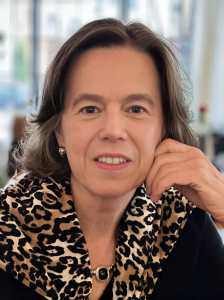
Dianne Pearce, Publisher, Current Words Publishing:
CK, congratulations on The Valley of the Blue Moon. I’d love to start at the beginning. What first inspired you to write this novel?
CK Bougae: I’ve known I would write this book for as long as I can remember. I wasn’t always sure what the story would look like, but I knew it would be about happiness and finding inner peace. Writing this book has been a lifelong dream, but it wasn’t until the last three years that I felt I had the wisdom and insight to create Leo’s journey and imagine The Valley of the Blue Moon. I suppose I could say it was my destiny to write this story.
Dianne: I love hearing authors talk about books that seem to have been waiting for them for years. This one certainly feels deeply personal. The novel blends fantasy, spirituality, and emotional healing. Why was that combination so important to you?
CK: I wanted to write a simple, easy-to-understand story that readers of all ages could enjoy and be inspired by. I have always liked reading quest narratives, stories about a hero searching for something, in this novel, a treasure in a magical valley. I wanted the story to entertain as well as inform. I felt the fantasy would entertain readers and offer an exciting escape through immersive world-building and magic. The Four Lessons served as the informative, inspiring part. The blending of fantasy and spirituality gave the story a foundation for Leo’s inner journey, spiritual growth, and eventual healing.
Dianne: One thing that struck me while reading was that Leo’s greatest battles aren’t necessarily with monsters or villains, but with himself. He returns from war deeply changed. What drew you to writing a character struggling with anxiety, depression, and inner conflict?
CK: While the novel is set in the medieval period, we know that anxiety and depression are contemporary mental health issues. Having the main character suffer from them, I think, makes the story relatable to many readers. They may see themselves in the story and on Leo’s journey. That is one reason we asked readers to make his journey “their own.”
Dianne: That’s such an important point. The setting may be medieval, but the emotions are very modern. Along the way Leo meets Prospero, a mysterious sage who becomes one of several guides. What role do wisdom and mentorship play in the story?
CK: The Four Lessons are rich with insights and wisdom on life, love, family, forgiveness, growth, and so much more. The teacher in me believes that for Leo to heal and grow, he had to learn what each of the Four Lessons teaches. Throughout his journey, Leo was guided by mystics, teachers, and other mentors. Even the raven, Reny, served as a guide. All the guides felt a responsibility to help Leo on his journey and fulfill his destiny. I think these guides and teachers provided the motivation, wisdom, and support that helped Leo complete his journey, much as teachers and guides mentor us in real life.
Dianne: Speaking of the world you’ve created, it has a timeless, almost mythic atmosphere. I found myself thinking about classic quest stories while reading. Which authors, legends, or traditions influenced your world-building?
CK: I have to say that one of the aspects of writing a fantasy novel I enjoyed most was worldbuilding. It is the process of creating an immersive imaginary setting that pulls the reader into the story. I like the mood evoked by the medieval era, that ancient world. I like a touch of mystery and magic. The Wizard of Oz and The Alchemist are brilliant and timeless stories, and their authors have created unforgettable worlds.
Dianne: We also have to talk about Lady. I have a feeling readers are going to fall in love with her almost immediately. Was she inspired by a real dog?
CK: I loved writing about Lady, especially when Leo and Lady met in the barn. Yes, Lady was the name of the dog I grew up with, and she was a terrier, too. I wanted to write about the beauty of our relationships with our pets. Love for a pet and their companionship are perfect examples of what love and loyalty mean. I have had other dogs, and each one was special and amazing. I miss them all every day. I hope Lady is a fan favorite. She was for me.
Dianne: I think every dog lover will understand exactly what you mean. Fantasy often focuses on epic battles between good and evil, but your story seems just as interested in emotional transformation. Why was that dimension so important?
CK: This story follows the journey of a deeply unhappy and troubled individual as he travels through the Four Lessons to transform his life. The reader sees and feels Leo’s internal struggle, his spiritual awakening, and his transformation. I think we all mirror some of the internal struggles that Leo faces. For example, Lesson One, Look into the Well of Reflection, fosters self-awareness and empathy, helping Leo build stronger, more trusting interpersonal connections, something readers can relate to. Leo’s emotional well-being is a central pillar of the story.
Dianne: That’s something I think readers will appreciate. The emotional stakes feel just as significant as the adventure itself. Your writing has been described as both powerful and accessible. Was reaching readers of all ages something you consciously aimed for?
CK: Yes, accessibility was important to me. The story is straightforward and easy to follow and understand. The principles in the Four Lessons are not complex. I wanted readers of all ages to learn from and be inspired by Leo’s journey.
Dianne: When someone closes the final page, what do you hope stays with them?
CK: That’s a great question. I’d like readers to feel inspired after reading the novel. I hope they carry lingering thoughts about the themes and lessons in The Valley of the Blue Moon after finishing the novel. I certainly want them to be entertained by the story, to relate to and like the characters, and to feel invested in Leo’s journey. I also hope readers feel they gained new knowledge and have new ways to see the world and live their lives.
Dianne: I think a lot of readers today are actively looking for stories that offer hope rather than despair. Was that audience on your mind as you wrote?
CK: Yes, of course. We all like a good story, especially those that inspire us and give us hope. I think Leo’s journey through the Four Lessons would satisfy a reader’s desire for hope and healing. The story offers readers the satisfaction of seeing him achieve his destiny and heal his life. I think readers seeking healing and hope will connect deeply with the novel’s themes and lessons.
Dianne: Here’s a fun one. If you could spend one day inside the world of the novel, where would you go first?
CK: That’s a really good question. One I hadn’t thought of. I enjoyed writing all the lessons and feel each one offers wisdom and insight. I would love to spend a day in Lesson Two, To Plant a Garden of Gratitude. I love the abbey setting and the outdoor, nature-focused elements. I loved learning about the various flowers and trees and the analogies to them. Like Leo, I think gratitude, love, and relationships are at the root of our happiness and inner peace. I introduced Lady, which, in turn, led to our relationship with animals and their ability to teach us about loyalty and love. This lesson also introduced Sophie, Leo’s love interest. Yes, I would have loved to spend a day in this lesson.
Dianne: I have to admit, that answer makes me want to visit it, too. Looking back on the writing process, what scene was the most emotionally difficult to write?
CK: Wow, that’s an interesting question. I have to think about this for a moment. When I think back, the scene at the Well of Reflection, where Leo unburdens himself of his secrets and the divine speaks to him about them, was a heavy moment for me as I reflected on my own life. Scripting the scene made me realize the power secrets have over us, how they control us, and why we keep them.
Dianne: That’s one of the remarkable things about writing, isn’t it? Sometimes we discover something about ourselves while telling someone else’s story. If readers take away just one message from Leo’s journey, what would you hope it is?
CK: That’s difficult to answer because there are so many. Each reader will know which messages they connect with and which insights from the Four Lessons they will reflect on after finishing the book. The story is about hope, healing, and one man’s journey to find both. I would want the reader to feel hopeful about their future and, through Leo’s journey, to know that happiness and inner peace are theirs as well.
Dianne: Finally, for readers meeting your work for the first time, what would you most like them to know about you as a writer?
CK: I want readers to feel and know that my work is heartfelt. I loved writing this novel and believe in the story it tells. As a former educator, I write not only to entertain but also to inform, enlighten, and inspire. I care deeply about my work and my readers’ experience. Gratitude is a core theme in the book, and I want each reader to know I am grateful to have been part of their journey.

